A few things to have ready
- Room measurements
- Paper for a floor plan
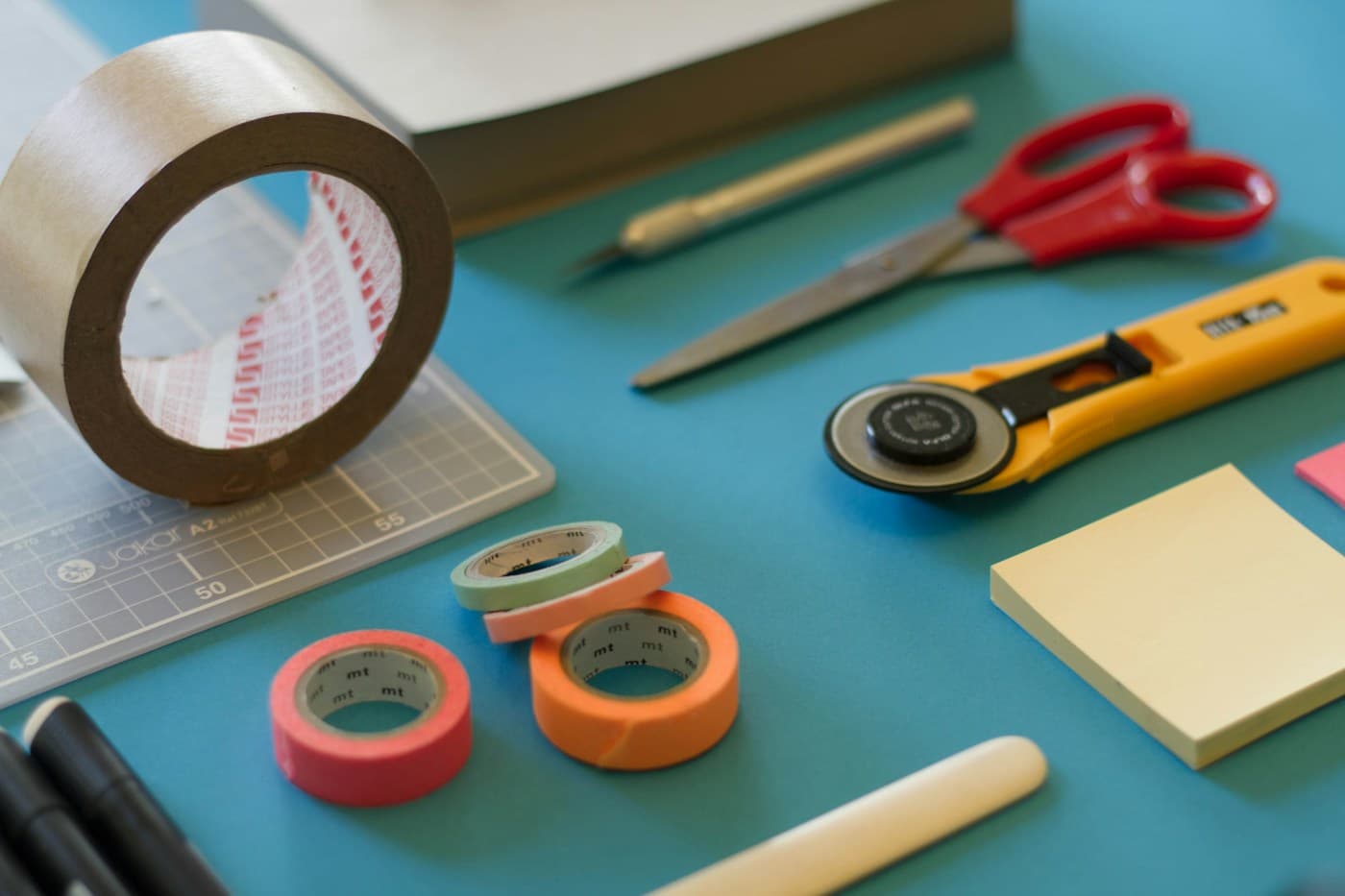
- Painter’s tape suitable for your floor
Draw the routes before dividing the room
Mark windows, doors, sockets and fixed furniture on a simple floor plan. Trace the routes you walk every day, especially between the bed, bathroom and exit. A divider should make the room easier to use without blocking daylight, ventilation, detectors or emergency escape routes.
Use the back of a sofa as a boundary
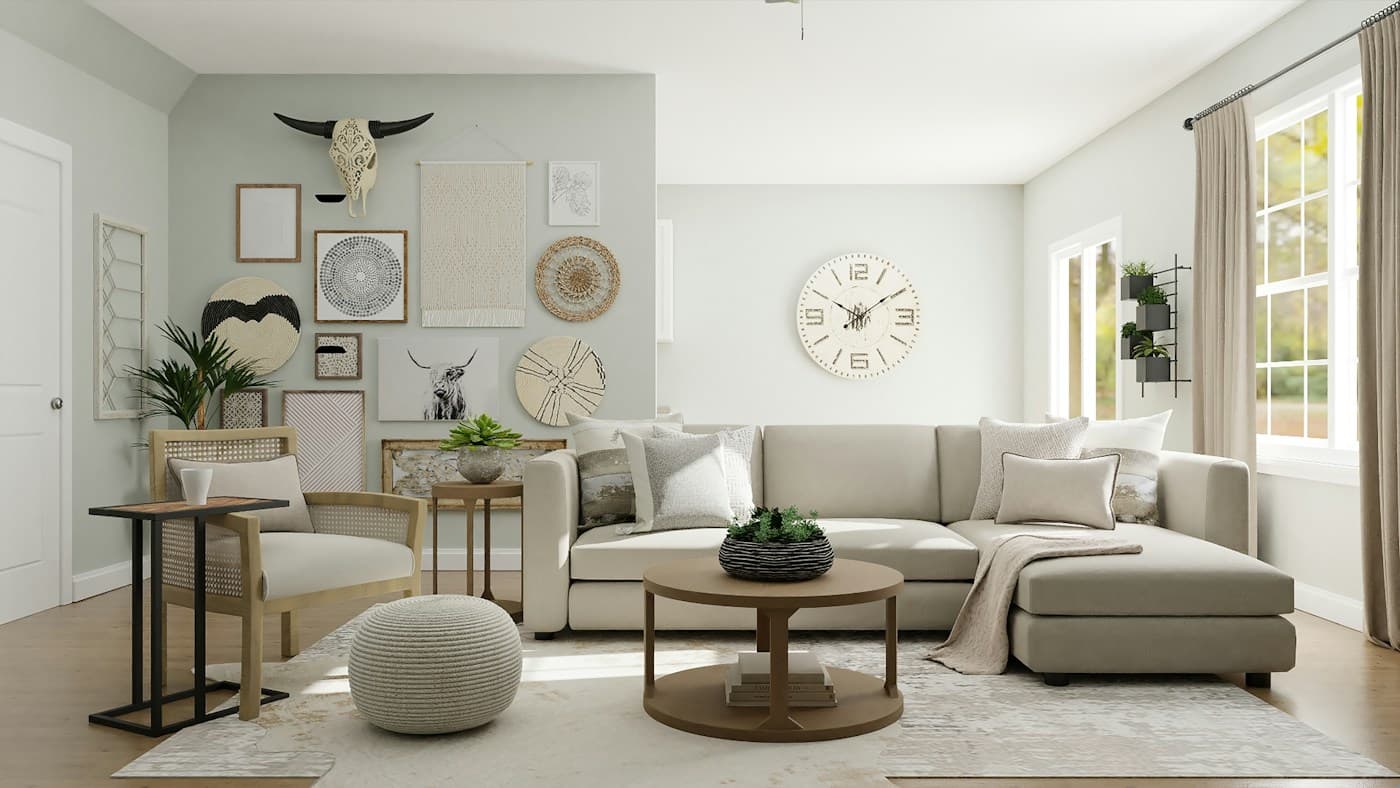
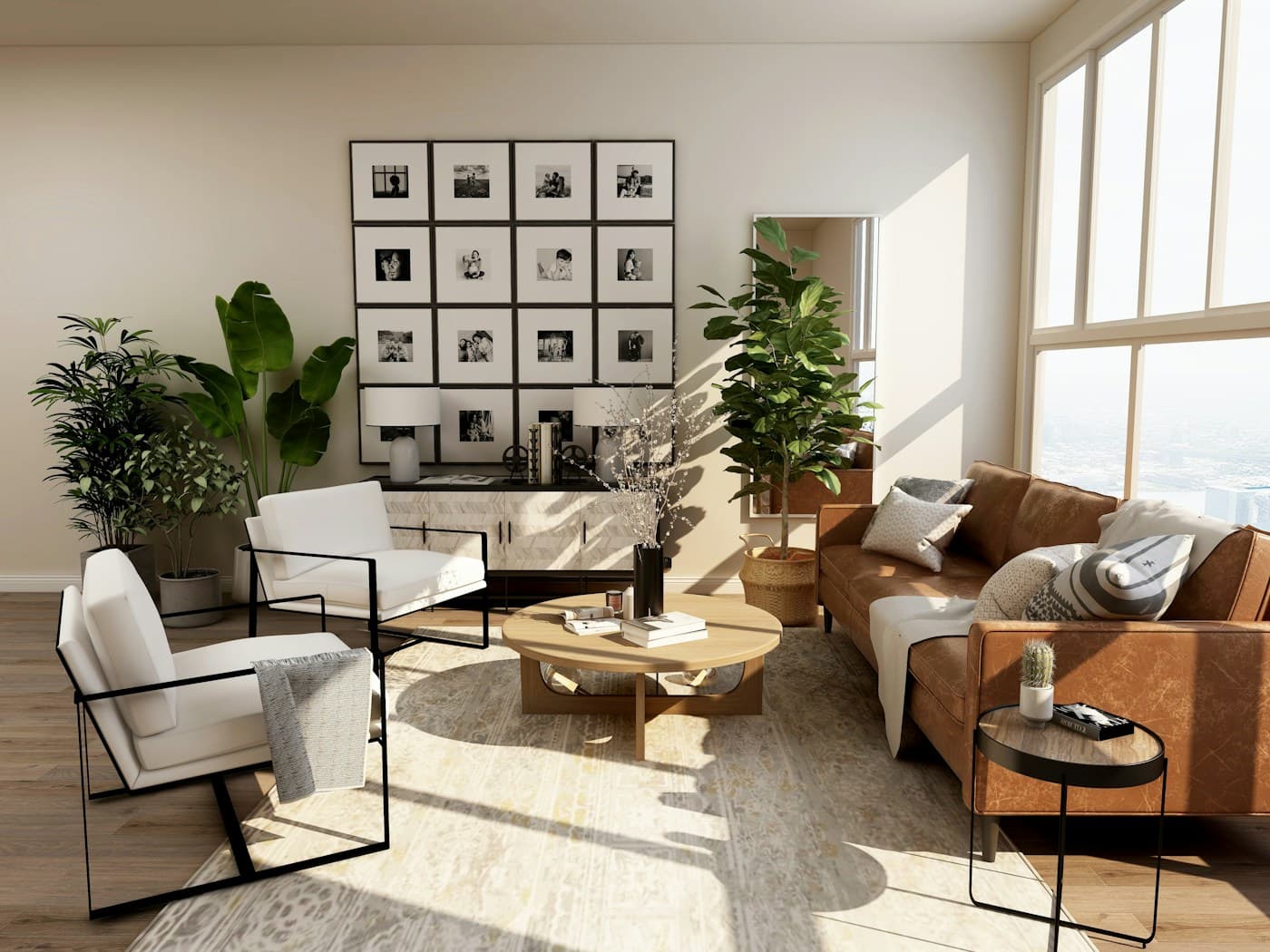
You may not need an extra piece of furniture at all. Turning a sofa away from the bed can define the living area while keeping sightlines open. Check that you can comfortably move around it and reach nearby outlets. Try the arrangement before adding any new storage.
Let a rug define a room within the room
A rug can visually gather a chair and side table into a reading area. Choose its size based on the furniture layout, not simply on the amount of bare floor. Use an appropriate non-slip underlay and avoid raised edges in a narrow walking route. Repeating one color across zones helps the room feel connected.
Choose an open shelf with care
An open shelving unit allows some light to pass through and offers useful storage. Tall furniture needs the manufacturer’s recommended anti-tip installation, even if it is described as freestanding. Check your rental agreement before fixing it in place. If safe anchoring is not possible, consider a lower, stable alternative.
Make the sleeping area quieter
A folding screen can offer visual privacy, but it must be stable and placed away from busy paths. Curtains may need approved ceiling or wall fixings. Avoid improvised tension installations over sleeping areas. Start by changing the bedding palette and bedside lighting; these can establish a restful zone with no physical barrier.
Test the layout for an ordinary week
Try working, cooking and relaxing in the new arrangement before deciding it is finished. If you repeatedly move an object out of your way, the layout needs adjustment. Leave some empty space on purpose. A studio works best when it supports your real routine, not just a photograph.
Keep this little idea for later.
Save it here or add it to your own Pinterest board, ready for a free afternoon.
Pin this idea