A few things to have ready
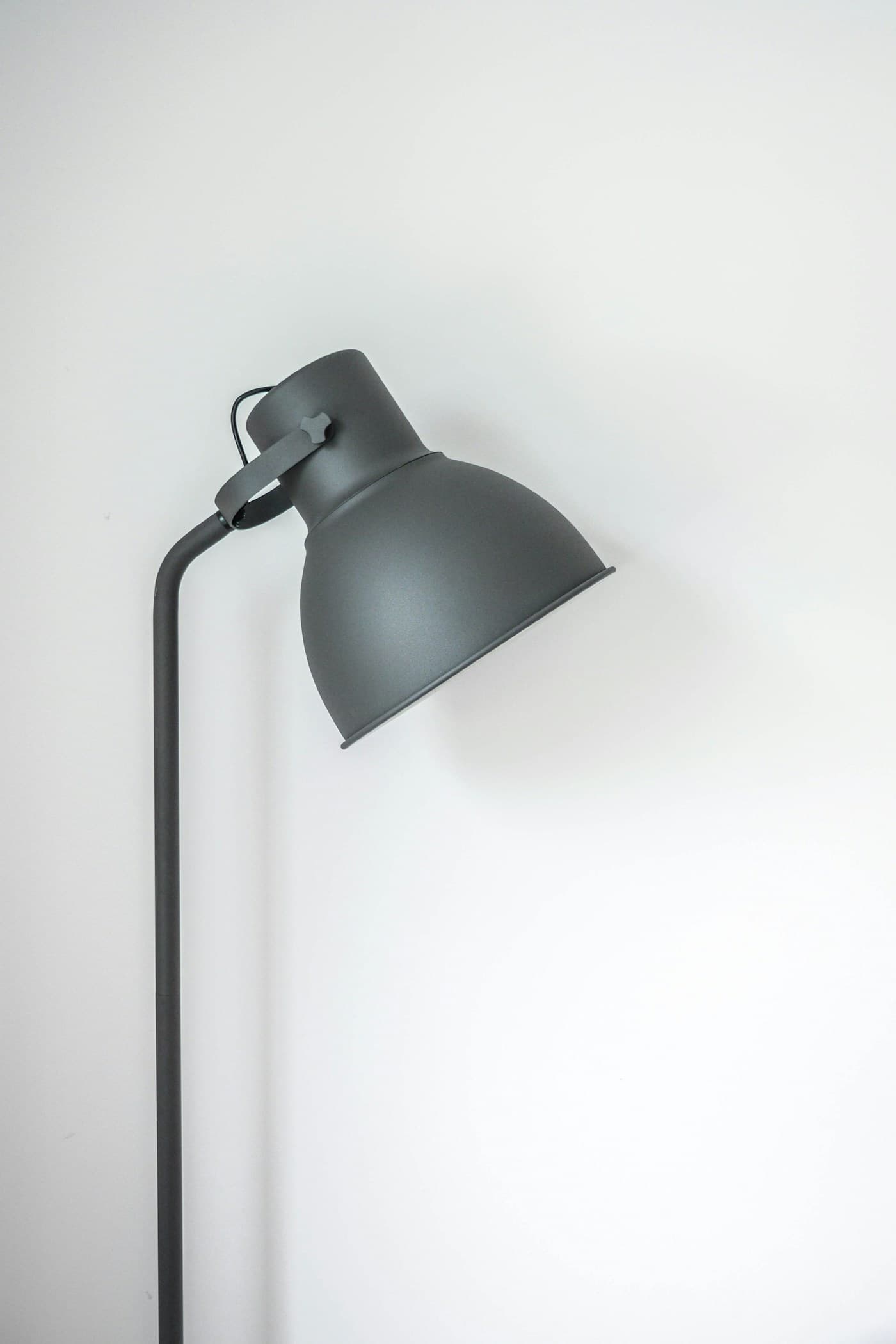
- A table or floor lamp
- Compatible light bulb
- Measuring tape
Notice where light is missing
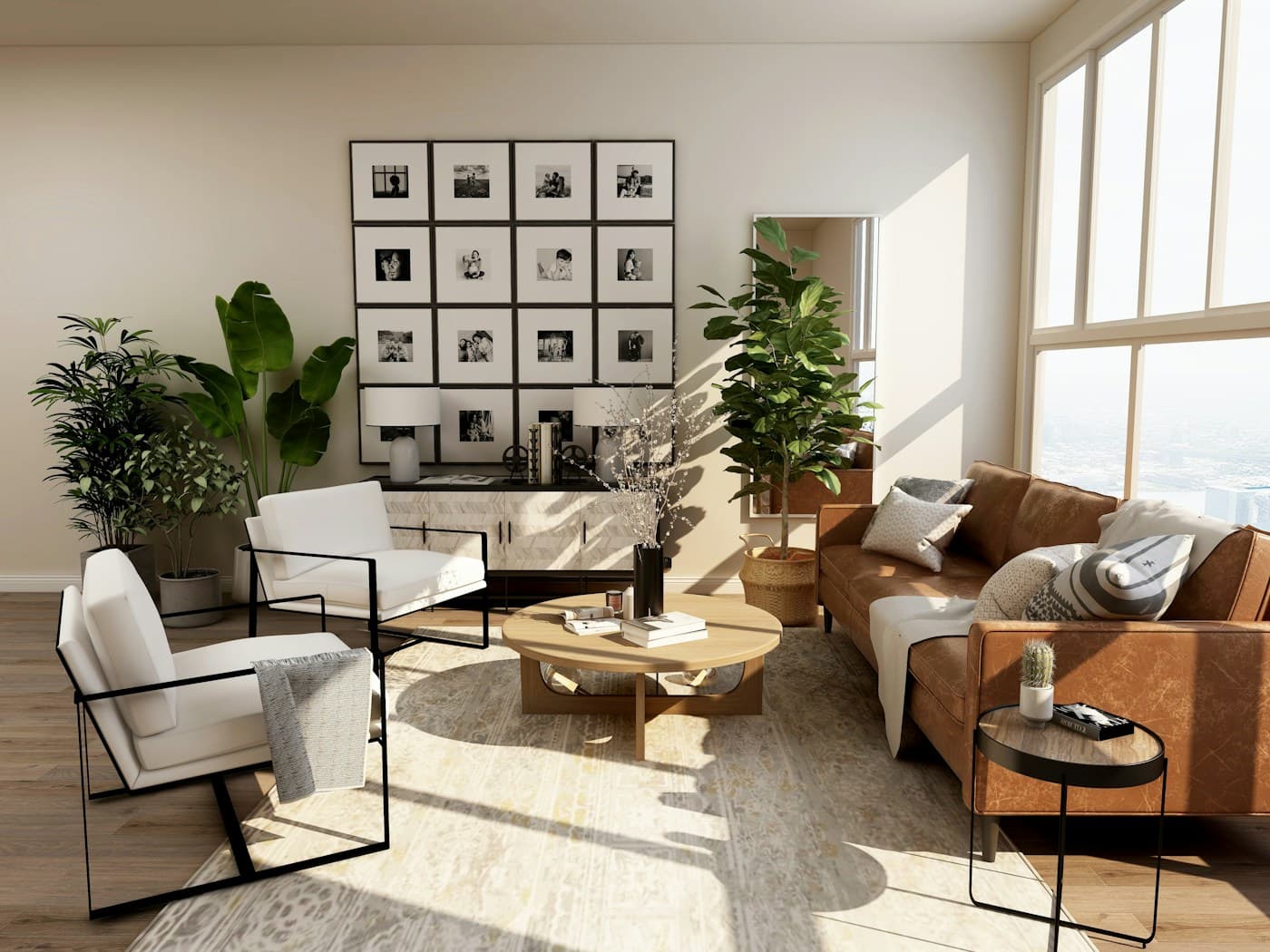
Sit in the room after sunset with your usual lights on. Look for a reading chair that feels dim, a corner that disappears or an overhead light that feels harsh. Solve one of those problems first. Buying several matching lamps before understanding the room often creates more clutter than comfort.
Bring light closer to the task
A reading lamp should illuminate the page without shining directly into your eyes. A table lamp can make a seating area feel more defined. Place lamps on stable surfaces and choose bulbs within the fixture’s specifications. Keep shades clear of curtains and follow the manufacturer’s spacing guidance.
Choose warmth thoughtfully
Bulbs labeled warm white are a useful starting point for relaxed living spaces. Check the package for color temperature, brightness and dimmer compatibility. A warm bulb can still be bright enough to read by; color and brightness are different choices. Try one bulb before changing the entire room.
Make the cable route part of the design
Position lamps near suitable outlets so cables do not cross walking routes. Do not hide cords under rugs or use damaged cables. Avoid overloading sockets and follow local electrical guidance. For areas without a convenient outlet, a reputable battery lamp can be a more practical choice than stretching an extension lead across the room.
Let one corner be enough
A lamp, a comfortable seat and somewhere to put a cup can transform how a room feels in the evening. Add battery candles if you like a flickering effect, keeping small batteries secured and out of children’s reach. You do not need to light every corner equally to make a home feel welcoming.
Keep this little idea for later.
Save it here or add it to your own Pinterest board, ready for a free afternoon.
Pin this idea